
5 Signs Anxiety Is Taking Over Your Life

Updated: Aug 18

Anxiety can start quietly. A racing thought here, a tight chest there, a “what if” loop before bed. At first, it may feel like stress, caution, or just having a lot on your plate.
Then it begins to spread.
You turn down plans because leaving the house feels too much. You check messages again and again. You replay conversations from days ago. Your body feels on alert even when nothing obvious is wrong.
Anxiety is a normal human response to pressure and uncertainty. It can even help in short bursts, such as preparing for an exam or reacting to danger. But when anxiety begins shaping your choices, your relationships, your sleep, and your sense of safety, it may be taking up more space than it should.
This article is for information only and is not a diagnosis. If anxiety feels severe, persistent, or unsafe, speak to a GP, therapist, or qualified mental health professional.
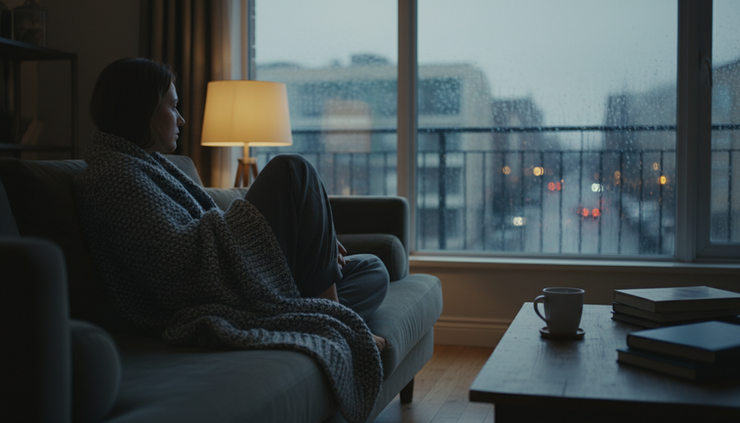
1. Your mind keeps running worst-case scenarios
One of the clearest signs anxiety is taking over your life is the feeling that your mind will not stop scanning for danger.
It might sound like:
“What if I embarrass myself?”
“What if something bad happens?”
“What if they are annoyed with me?”
“What if I cannot cope?”
“What if this feeling never goes away?”
These thoughts can become repetitive and sticky. You may know, logically, that the worst-case outcome is unlikely. Yet your body reacts as if it is already happening.
This is not the same as ordinary planning. Planning has an endpoint. You think through a problem, make a decision, and move on. Anxiety keeps reopening the file. It asks for more certainty than life can provide.
How this can show up
You might find yourself:
Replaying conversations and searching for hidden meanings
Asking for reassurance, then needing it again shortly after
Avoiding decisions because every option feels risky
Checking symptoms online and feeling worse
Imagining disasters when someone is late or does not reply
The hard part is that anxiety often feels like it is trying to protect you. It says, “If we think about this enough, we can stop something bad happening.” But endless mental checking rarely brings peace. It usually feeds the fear.
A useful question is: Is this thought helping me act, or is it keeping me stuck?
If a thought leads to one practical step, such as booking an appointment, sending a message, or preparing for something real, it may be useful. If it only leads to more spiralling, anxiety may be in the driver’s seat.
2. Your body feels tense, restless, or exhausted
Anxiety is not just “in your head”. It can affect the whole body.
When the brain senses threat, the body prepares to respond. Heart rate can rise. Muscles tighten. Breathing may become shallow. Digestion can change. This response is normal in genuine danger, but anxiety can switch it on during everyday situations too.
You may notice:
Tight shoulders, jaw clenching, or headaches
A heavy or fluttery feeling in the chest
Stomach discomfort, nausea, or changes in appetite
Shaky hands or feeling light-headed
Restlessness, pacing, or fidgeting
Feeling drained even after a quiet day
Some people describe it as feeling “wired but tired”. The body is alert, but energy is low.

When physical symptoms become part of the cycle
Body sensations can also fuel anxious thoughts.
For example, a fast heartbeat may lead to “Something is wrong with me.” Feeling dizzy may lead to “I am going to faint.” A tight chest may lead to fear, which increases the tightness.
This cycle can feel frightening, especially if the sensations are intense. New, severe, or worrying physical symptoms should always be checked by a medical professional, especially chest pain, fainting, or breathing difficulty.
If a doctor has ruled out urgent physical causes and anxiety remains likely, it can help to see these sensations as signals of a stressed nervous system, not proof that disaster is coming.
Small grounding steps can support the body:
Put both feet flat on the floor
Unclench the jaw and lower the shoulders
Breathe out slowly, making the exhale longer than the inhale
Name five things you can see
Sip water or hold something cool
These steps may not make anxiety disappear at once, but they can remind the body that it is not in immediate danger.
3. You avoid more and more of normal life
Avoidance is one of anxiety’s favourite tricks.
At first, avoiding something can feel like relief. You cancel the plan, skip the phone call, put off the appointment, or stay home. The anxiety drops. Your brain learns, “Avoiding worked.”
The next time, the fear returns stronger.
Over time, your world can start to shrink. Places, people, tasks, or conversations that once felt manageable begin to feel unsafe. The list of things you “cannot face” grows.
Common types of avoidance
Avoidance does not always look dramatic. It can be subtle.
You might:
Delay opening letters, emails, or messages
Let calls go to voicemail because answering feels too intense
Avoid public transport, shops, or busy places
Say no to social plans even when part of you wants to go
Put off health appointments
Stay silent to avoid conflict
Over-prepare so you never have to feel uncertain
Avoidance can also hide behind productivity. You may clean, scroll, research, or organise instead of doing the thing that scares you.
The short-term relief is real. The long-term cost is real too.
Anxiety grows when it convinces you that ordinary discomfort is danger. Getting your life back often means taking small, steady steps towards the things you have been avoiding, not throwing yourself into the hardest situation at once.
For example, if answering the phone feels overwhelming, a first step might be listening to a voicemail. The next might be writing a short script. Then making one low-pressure call. Progress counts even when it feels small.
4. Sleep and concentration are suffering
Anxiety often gets louder when the world goes quiet.
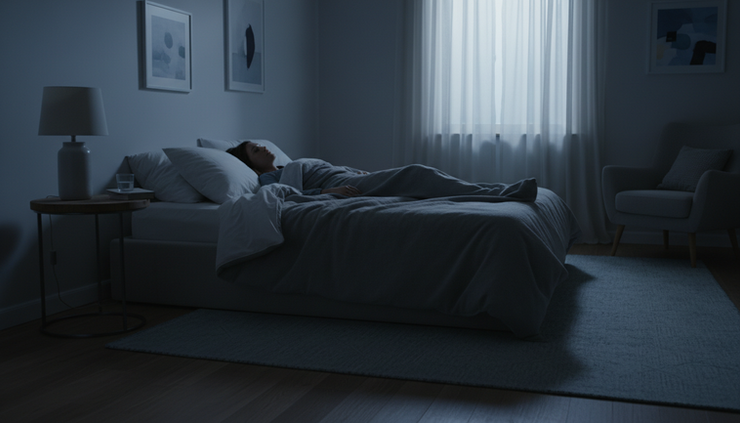
At night, there are fewer distractions. The mind starts reviewing the day, predicting tomorrow, and pulling up old worries. You may feel exhausted but unable to switch off.
Sleep problems linked to anxiety can include:
Trouble falling asleep
Waking in the early hours with racing thoughts
Restless sleep or vivid dreams
Needing background noise to avoid being alone with thoughts
Waking up already tense
Feeling tired even after enough hours in bed
Poor sleep then makes anxiety harder to manage. When tired, the brain has less patience, less perspective, and less emotional balance. Small problems can feel huge.
Concentration can take a hit too
During the day, anxiety can make it hard to focus. You may read the same paragraph five times. You may lose track of conversations. You may start a task, then jump to another because a worry interrupts.
This does not mean you are lazy or careless. An anxious brain is busy monitoring for threat. That leaves less room for memory, attention, and clear thinking.
A few practical changes can help reduce the load:
Write worries down instead of holding them in your head
Keep tasks short and specific
Use a simple “next step” list rather than a long to-do list
Set a regular wind-down routine before bed
Limit late-night checking, searching, or problem-solving
Get out of bed for a short reset if you are awake for a long time
The aim is not perfect sleep or perfect focus. The aim is to give your brain fewer reasons to stay on high alert.
5. Anxiety is changing how you see yourself
One of the most painful effects of anxiety is how it can shape identity.
You may start believing:
“I am weak.”
“I am too much.”
“I cannot handle normal life.”
“Everyone else is coping better than me.”
“This is just who I am now.”
These thoughts can feel convincing, but they are not facts. They are anxiety speaking through fear and exhaustion.
When anxiety takes over, it can make you mistrust yourself. You may seek constant reassurance before making choices. You may apologise too much. You may hide how you feel because you worry people will judge you. You may compare your inner panic with other people’s outer calm.
That comparison is never fair. Most people do not show the full weight of what they are carrying.
Relationships may start to feel harder
Anxiety can affect closeness. It may make you pull away, become irritable, need repeated reassurance, or feel rejected by small changes in tone. You might overthink every message or assume silence means disapproval.
This can create a painful loop. You feel anxious, then you act in ways that protect you, then you worry those actions have pushed people away.
Healthy support can make a difference. That might mean telling a trusted person, “I have been feeling more anxious than usual, and I may need patience while I work through it.” You do not need to explain every detail. You also do not need to manage it alone.
When anxiety needs extra support
Anxiety becomes more concerning when it is persistent, intense, or limiting your life. Support is especially important if:
You avoid essential tasks, appointments, work, study, or relationships
Panic attacks or intense fear happen often
You use alcohol, drugs, food restriction, or compulsive behaviours to cope
You feel detached, hopeless, or unable to function
Anxiety is linked to trauma, grief, or major life stress
You have thoughts of harming yourself
If you feel at risk of harming yourself or cannot stay safe, seek urgent help now. In the UK, you can contact emergency services on 999, go to A&E, or contact a crisis support service such as Samaritans on 116 123.
For non-urgent but ongoing anxiety, a GP can talk through options. These may include talking therapies, self-help resources, lifestyle changes, or medication where appropriate. Many people benefit from cognitive behavioural therapy, which focuses on the links between thoughts, feelings, body sensations, and behaviour.
Getting help does not mean you have failed. It means the load has become too heavy to carry without support.

What you can do today if anxiety feels too big
When anxiety is taking over, big life changes can feel impossible. Start smaller.
Try one of these today:
Name it clearly
Say, “This is anxiety,” rather than “Something terrible is happening.” Naming it can create a little distance.
Choose one avoided task
Pick something small, such as opening one message or stepping outside for five minutes.
Reduce reassurance loops
If you keep asking the same question, pause before asking again. Write down the answer you already received.
Move your body gently
A short walk, stretching, or tidying one small area can help discharge some nervous energy.
Tell one safe person
Keep it simple. “I have been struggling with anxiety recently” is enough.
Book support
If anxiety has been affecting your life for weeks or months, arrange to speak with a GP or therapist.
The goal is not to defeat anxiety in one day. The goal is to stop letting it make every decision.
A gentler way forward
Anxiety can make life feel smaller, harsher, and less safe than it really is. It can turn normal choices into threats and quiet moments into mental noise. But anxiety is also treatable, manageable, and understandable.
Start by noticing the patterns: the racing thoughts, tense body, avoidance, poor sleep, and harsh self-talk. Then take one small step that anxiety has been telling you to avoid.
You do not need to feel fearless to move forward. You only need a little support, a little patience, and one next step that brings your life back within reach.
If you're looking for anxiety counselling in Altrincham, Hale, Timperley, Sale or online across the UK, I offer a free 15-minute introductory call where we can discuss what you're experiencing and whether counselling feels like the right next step.

Comments